
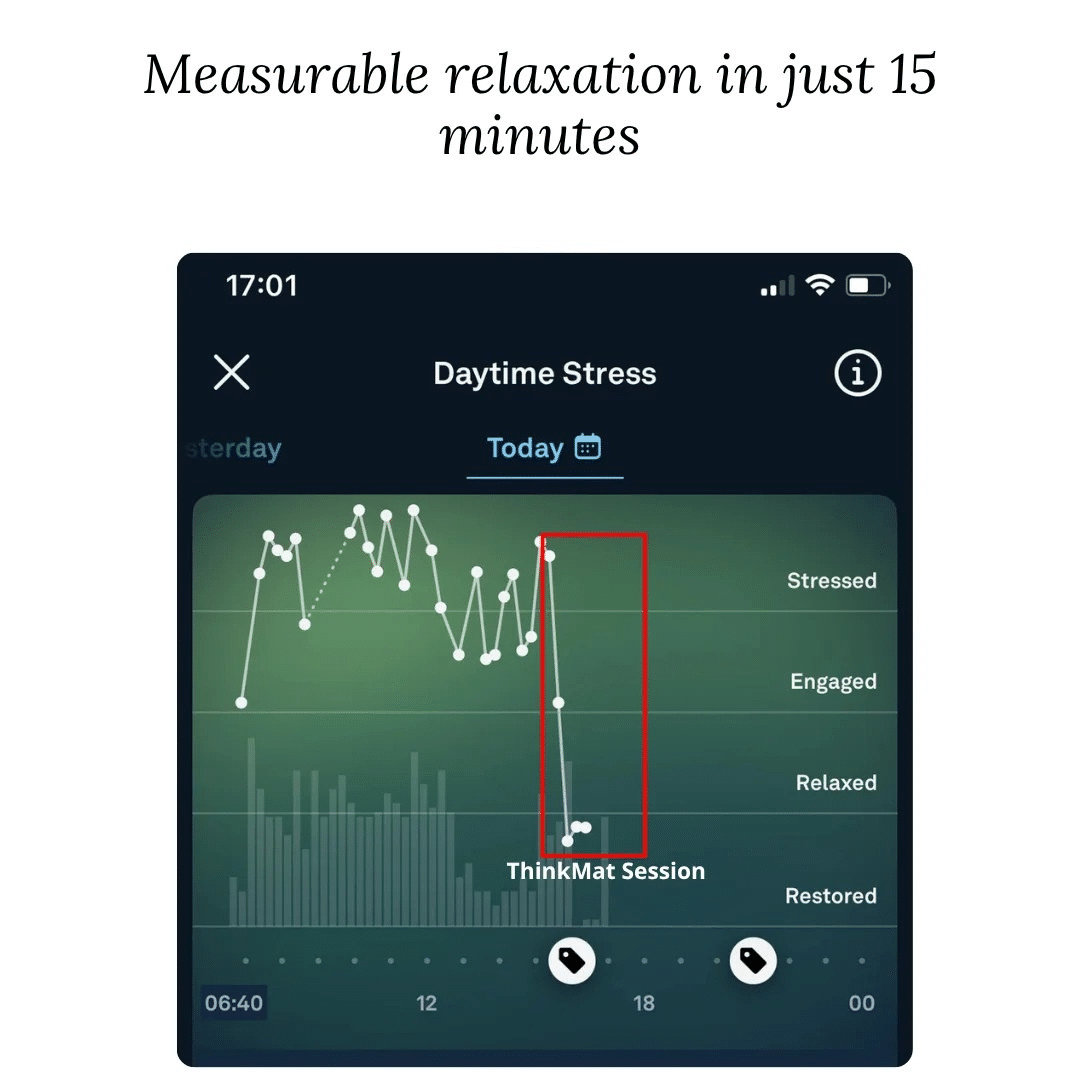


About ThinkMat
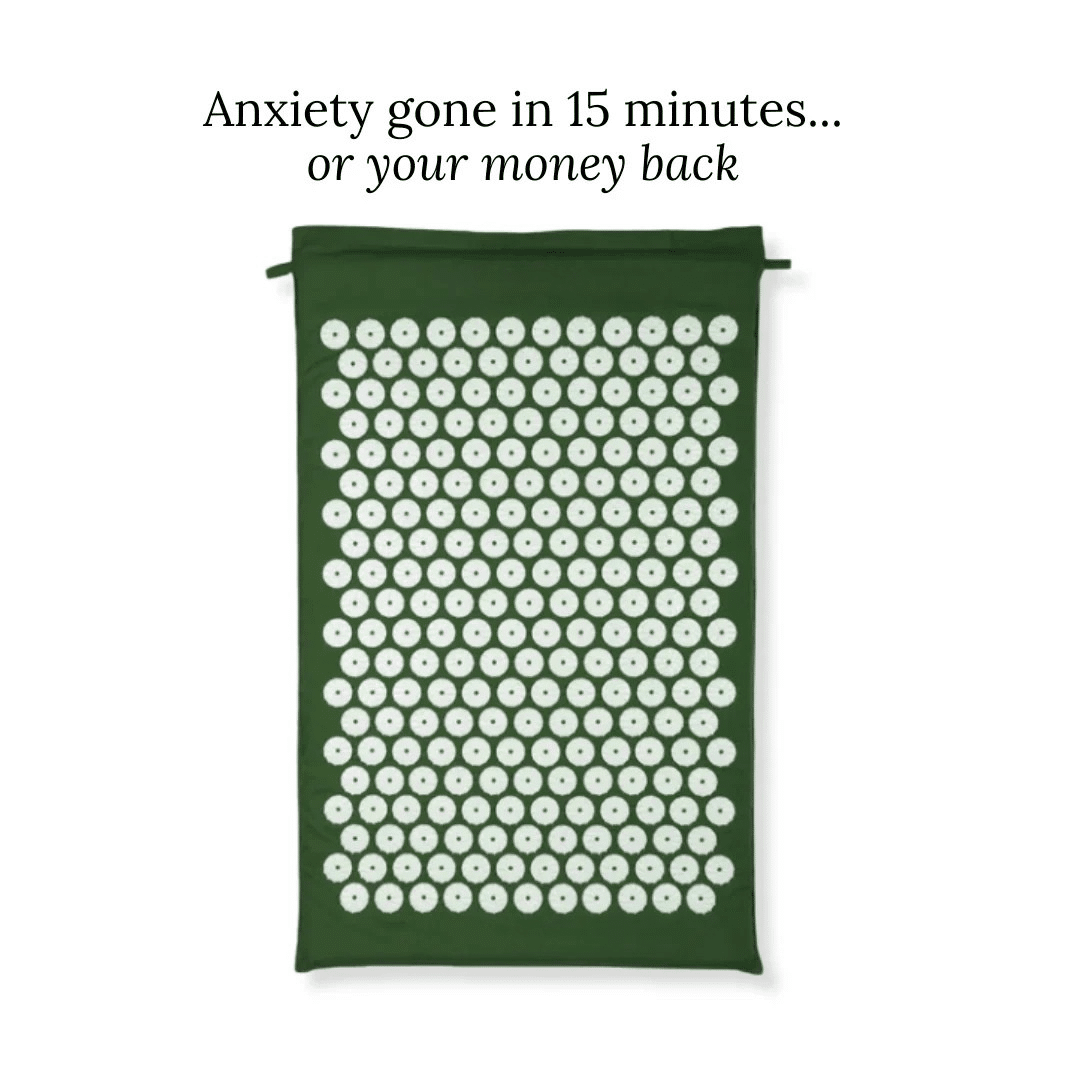
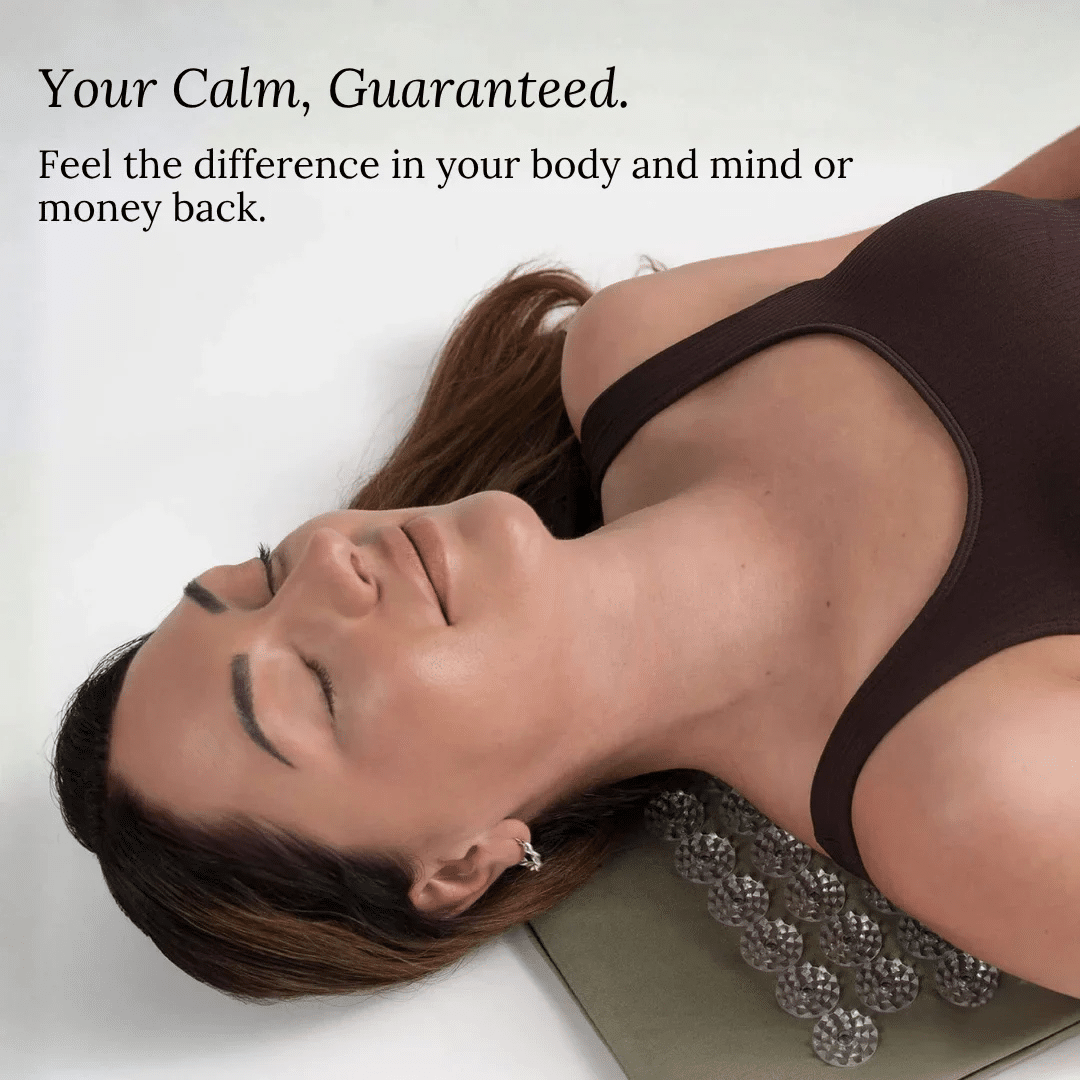
ThinkMat is a modern acupressure mat designed to turn a few minutes at home into a deeply relaxing, spa‑level ritual. It is covered in hundreds of carefully spaced acupressure points that gently stimulate your back, neck, and shoulders when you lie down, helping you unwind after a long day. ThinkMat is non‑invasive, easy to use, and created for everyday people who want natural support for tension relief, stress reduction, and better sleep as part of a simple wellness routine.
How Does ThinkMat Work?
ThinkMat is inspired by traditional acupressure, a practice that targets specific pressure points on the body to restore balance and release tension. When you lie on the mat, the small spikes press into these points, which can increase local blood flow, relax tight muscles, and stimulate the release of endorphins and other feel‑good hormones that support a calmer nervous system.
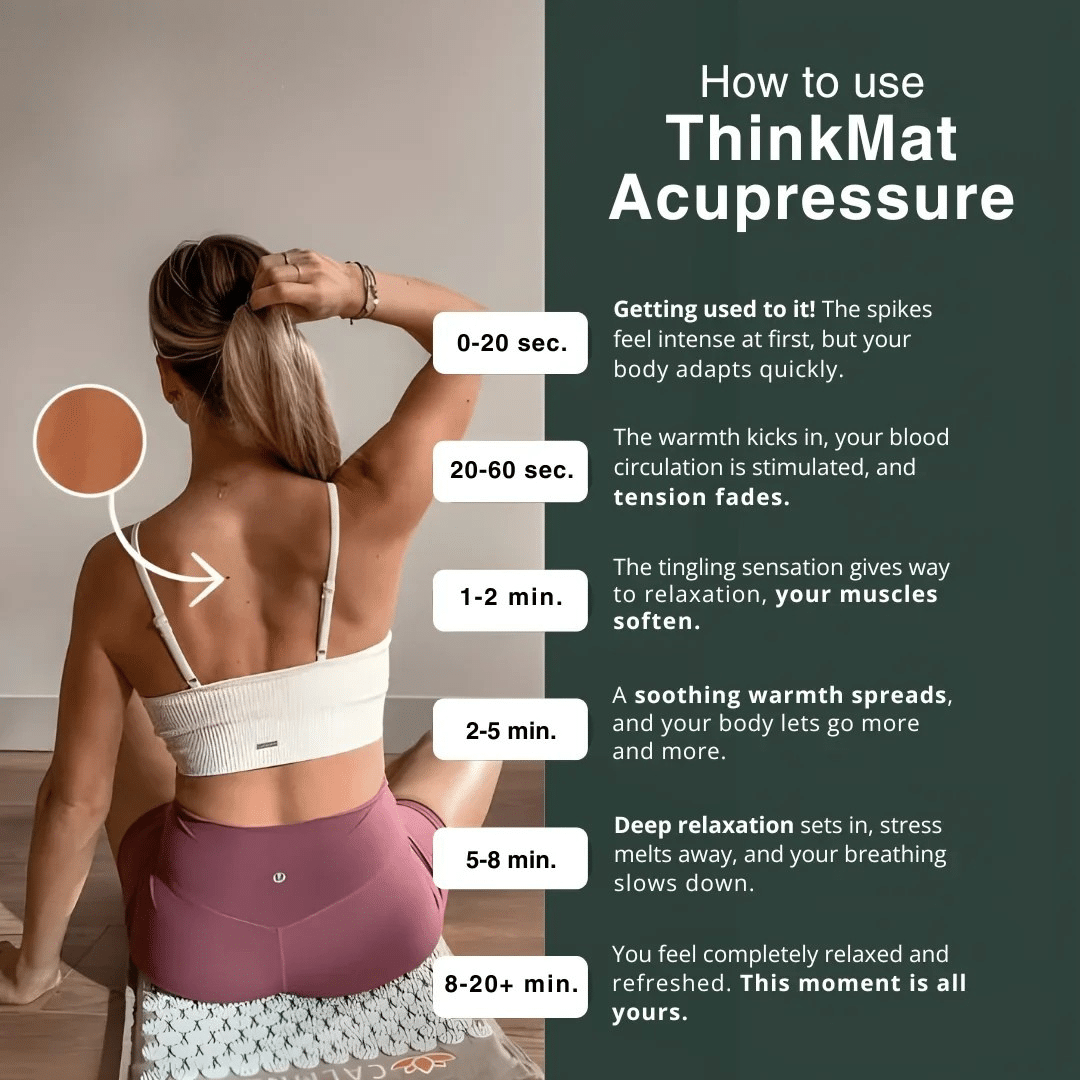
As your body adjusts to the initial intensity, the sensation typically shifts from “sharp” to warm and soothing, encouraging your system into a more relaxed, “rest and digest” state. With regular use for around 10–20 minutes, this simple practice can become a grounding ritual that helps signal to your body that it is time to slow down, reset, and recover.
Benefits of Using ThinkMat
- Natural tension and pain relief: Regular use may help ease muscle tightness in the back, neck, and shoulders, and can be a helpful complement for people dealing with chronic aches and everyday stiffness.
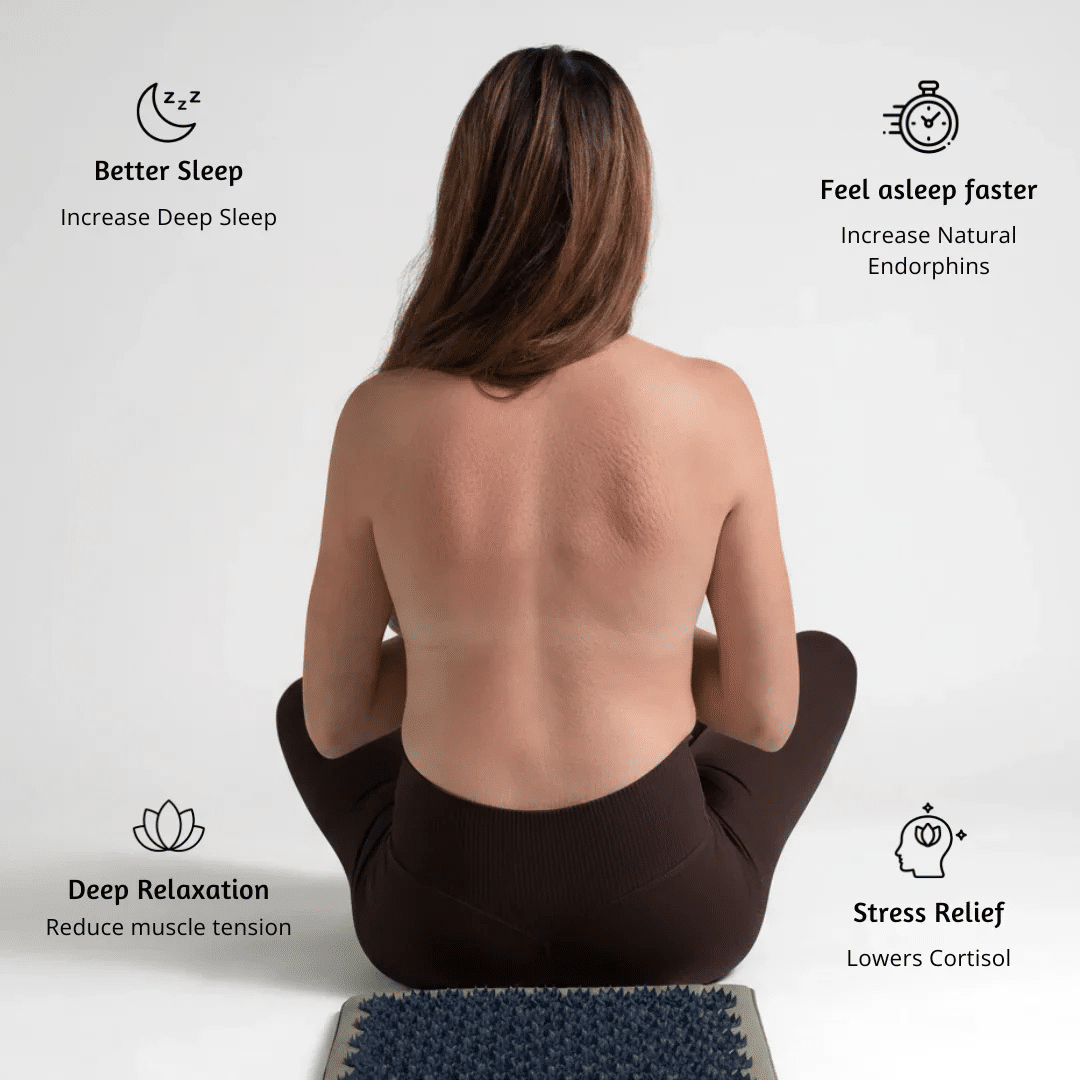
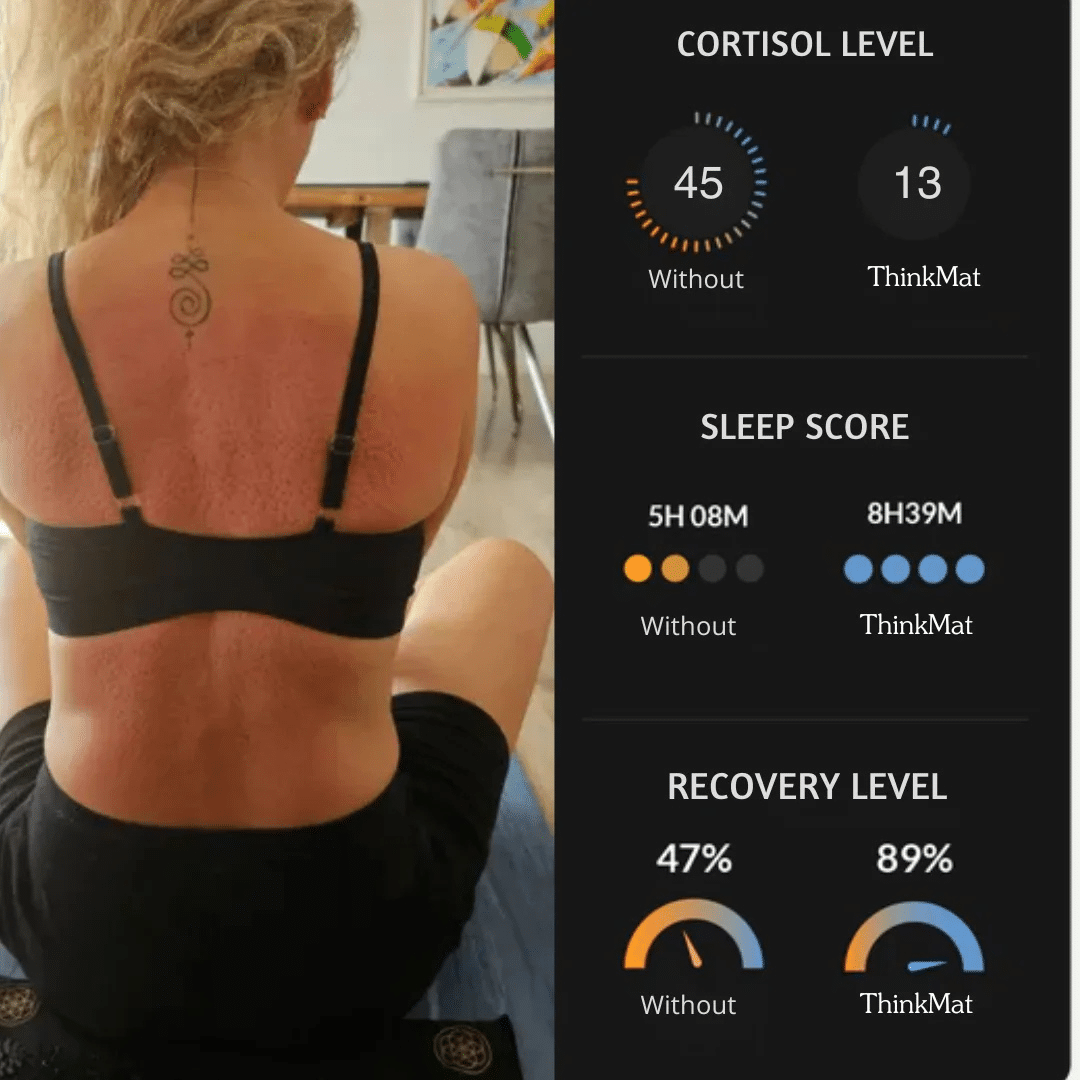
- Deeper relaxation and stress reduction: Stimulating acupressure points can help lower perceived stress and promote a sense of calm, making it easier to unwind after work or before bed.
- Better sleep quality: By relaxing the body and soothing the nervous system, acupressure mats have been shown in small studies to support improved sleep and help reduce insomnia symptoms.
- Improved circulation and recovery: The pressure from the spikes can boost local blood flow, supporting muscle recovery after workouts and leaving you feeling looser and more refreshed.
- Mood and energy support: Some users report more energy, less fatigue, and improved overall well‑being when acupressure is part of their daily routine, likely due to a mix of endorphin release, better sleep, and reduced tension.
How to Use ThinkMat
- Start slow: Begin with 5–10 minutes lying on the mat and gradually build up to 20–30 minutes as your body gets used to the sensation.
- Use a thin layer: If you are new or have sensitive skin, wear a light T‑shirt or place a thin cloth over the mat to soften the initial intensity.
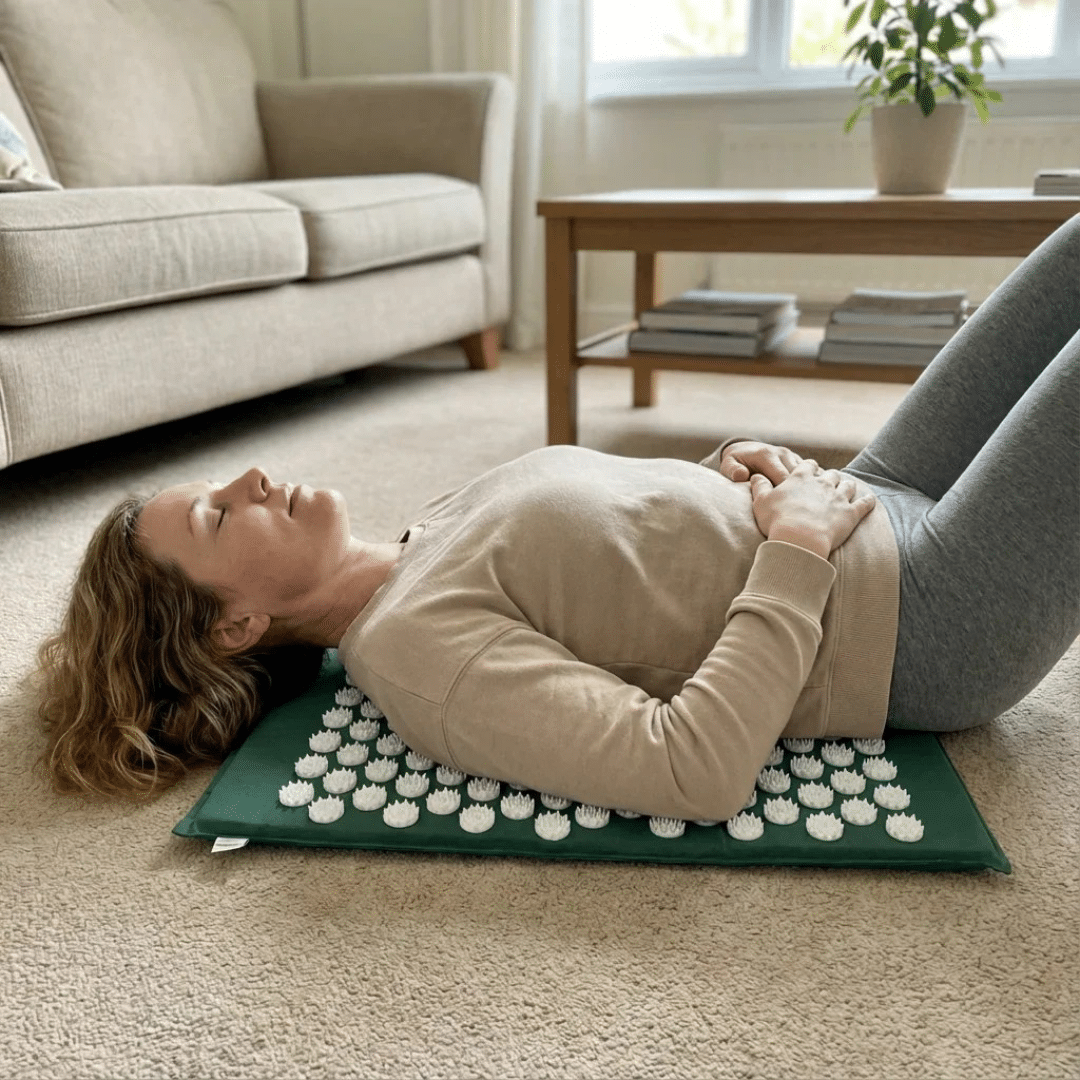
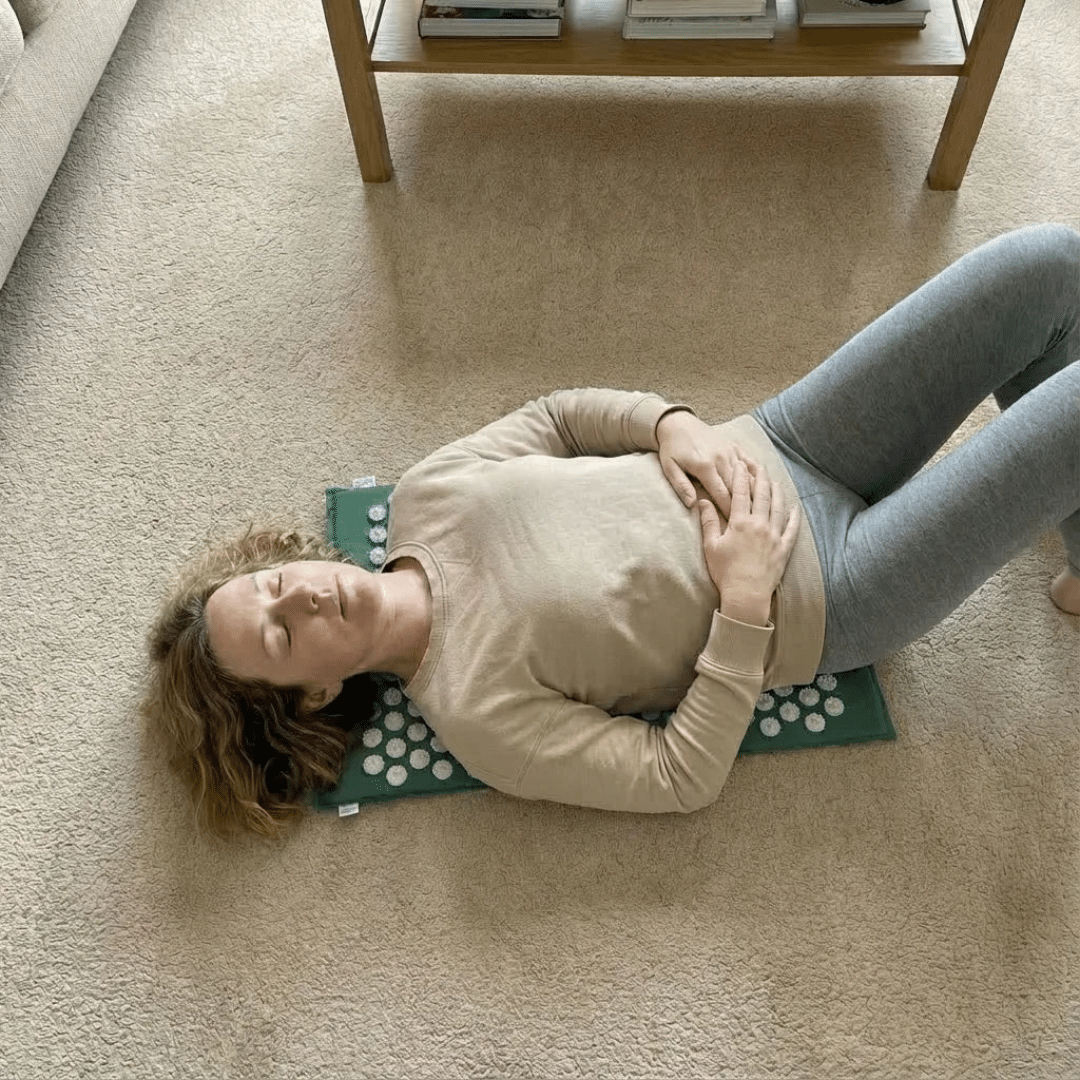
- Choose your position: Lie on your back for general relaxation, place it on a chair to sit against for lower‑back support, or stand on it briefly for foot stimulation.
- Breathe and relax: Focus on slow, deep breathing for the first few minutes to help your body relax into the pressure points instead of tensing up.
- Build a ritual: Use ThinkMat at the same time each day—after work, post‑workout, or as part of your wind‑down before bed—to make it a consistent self‑care habit.
FAQs
Is ThinkMat painful?
You may feel sharp or intense sensations during the first few minutes, especially if you are new to acupressure, but this usually transforms into warmth and deep relaxation as your body adapts. Starting with a thin layer of clothing and shorter sessions can make the experience more comfortable.
How often should I use ThinkMat?
ThinkMat can be used daily, with many people finding 10–20 minutes per session ideal for relaxation, tension relief, and sleep support. Consistency tends to matter more than session length, so even a short daily practice can be beneficial.
Who should not use ThinkMat?
People with broken or irritated skin, bleeding disorders, uncontrolled cardiovascular conditions, or those who are pregnant should check with a healthcare professional before using any acupressure mat. If you feel unwell, dizzy, or experience unusual pain, stop using the mat and seek medical advice.
Can I sleep on ThinkMat all night?
ThinkMat is designed for short to moderate sessions rather than overnight use, and most guidance recommends limited daily sessions instead of prolonged pressure. Falling asleep briefly during a session is common, but it is best to remove the mat once you wake up.
681 reviews for ThinkMat (Official Retailer) 2026